
Developed by MIFA Kenya CBO
Resilience Beyond Relief.
We address the root causes of famine by integrating ecosystem restoration, sustainable livelihoods, and community governance.
We address the root causes of famine by integrating ecosystem restoration, sustainable livelihoods, and community governance.
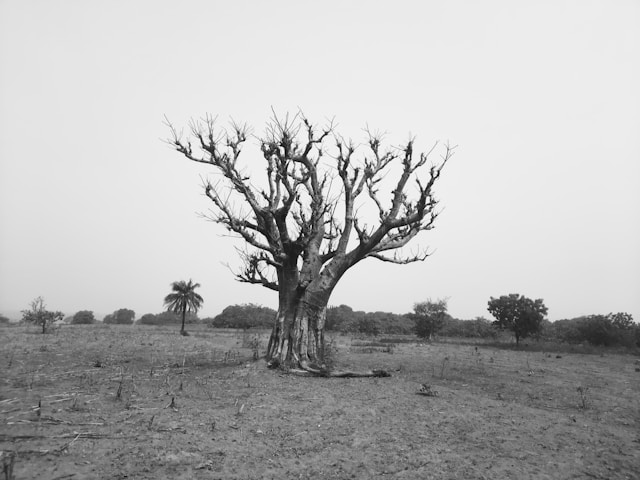
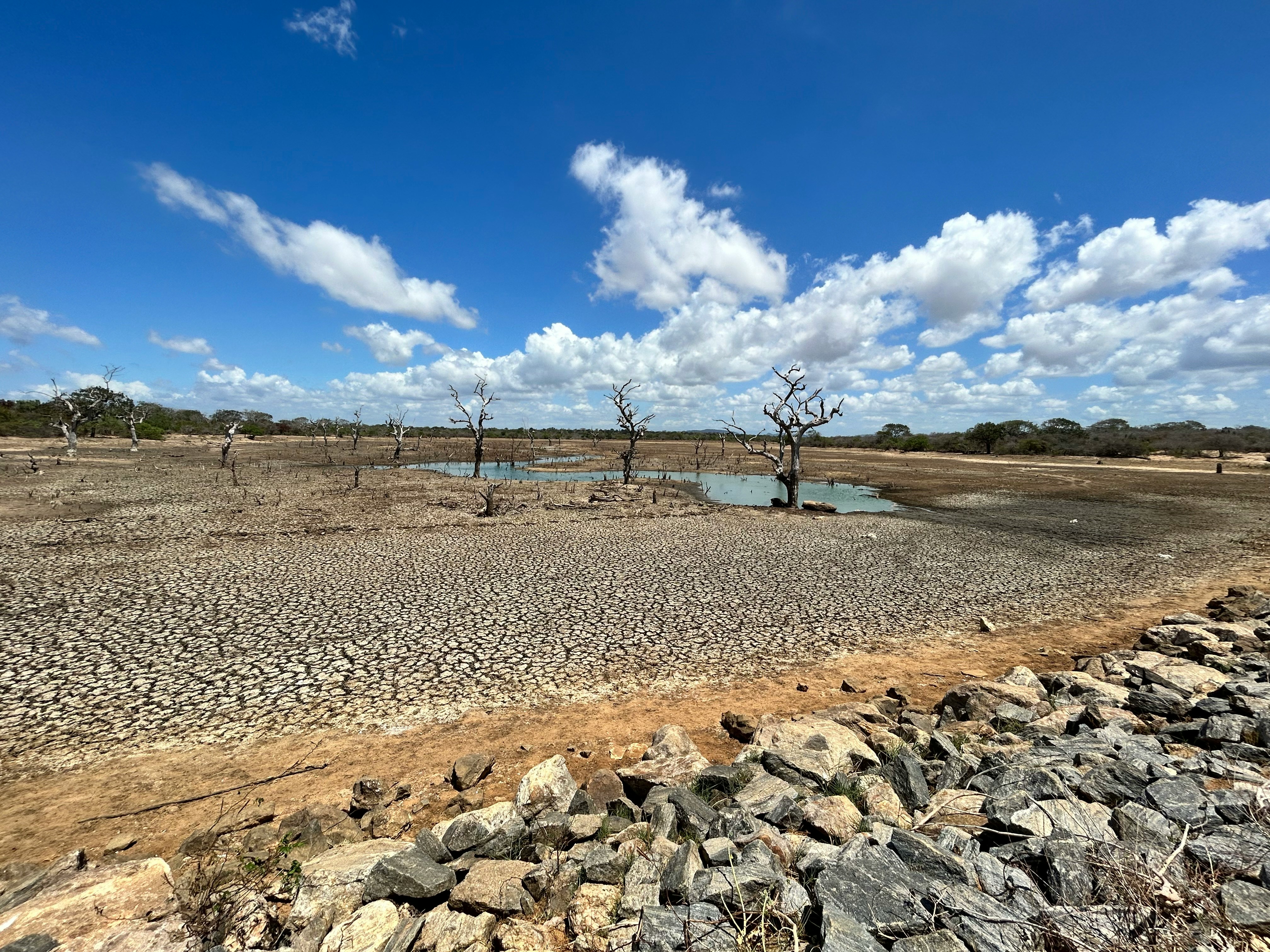
Recurring food crises are often treated as isolated events. However, interventions fail when they address shortages without restoring the degraded ecosystems that cause them.
Land degradation and water scarcity intensify vulnerability to climate shocks.
Lack of coordination between conservation, agriculture, and economic programs.
Top-down approaches that fail to build local ownership and capacity.
A systems-based development model that prevents famine by linking four mutually reinforcing pillars.
Restoring ecosystems is a prerequisite for food security. We focus on tree planting and watershed protection.
Strengthening local food systems via climate-smart agriculture, crop diversification, and water-efficient techniques.
Reducing dependency through green income activities, value addition, and market access for women and youth enterprises.
Communities are active partners. We prioritize participatory planning, local governance, and collective responsibility.
MIFA is designed to meet national and global development priorities, offering donors a high-impact, scalable model for sustainable investment.
"MIFA Kenya ensures interventions are context-specific, culturally appropriate, and sustainable."